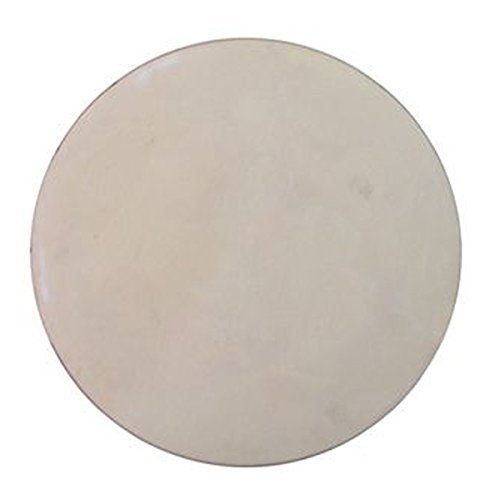
If you’ve ever opened a kiln to find a warped shelf, a post that’s fused to the floor, or — worst case — a piece that slumped because a support failed mid-fire, you already know that kiln furniture is not an afterthought. Kiln furniture is the collective term for the shelves, posts (also called props), and stilts that hold your work inside the kiln during a firing. The kiln itself provides the heat; the furniture does the physical work of positioning every piece at the right height, keeping it level, and keeping it separated from neighboring work. Get this system wrong and it doesn’t matter how dialed-in your controller is — you’re going to lose ware, waste energy, and shorten the life of your most expensive equipment. This guide walks you through every decision in building a furniture system that earns its keep across years of serious production, from the material choices that define durability to the stacking geometry that protects both work and kiln walls.
Shelf Materials: The Tradeoff You’re Actually Making
Every shelf choice is a tradeoff between three variables: thermal mass, durability, and cost per firing. Understanding those three variables is what separates a good furniture system from an expensive mistake.
Cordierite is the workhorse material for most electric kiln operators firing cone 6 and below. It’s a magnesium-iron-aluminum silicate ceramic that handles thermal shock — the rapid temperature change when a kiln heats or cools — better than almost anything else in its price range. Manufacturers like Skutt and L&L both reference cordierite as a standard recommendation for their electric kiln lines. Per Skutt’s furniture documentation, cordierite shelves rated for cone 10 are widely used at cone 6 with significantly extended service life because the material is operating well below its thermal ceiling. The tradeoff: cordierite is relatively dense, which means it holds heat. In a packed studio kiln firing frequently, that thermal mass adds up on your electricity bill and extends cooling time.
High-alumina shelves — sometimes marketed as “super-duty” — are the choice when you’re pushing cone 10, cone 12, or high-fire reduction work. Alumina’s higher refractory rating means it resists the warping that kills cordierite shelves after years of full-temperature work. The Craft Council’s studio equipment resource series identifies high-alumina furniture as the standard specification for production studios firing stoneware and porcelain at cone 9–12 regularly. The downside is price: high-alumina shelves routinely run 40–70% more than equivalent-size cordierite, and they’re heavier, which matters when you’re loading a tall top-loader six times a week.
Silicon carbide (SiC) shelves are the premium tier. They’re thinner for the same strength (critical for maximizing interior space), they conduct heat more evenly, and they last longer under repeated high-fire stress. L&L’s technical support library specifically recommends SiC shelves for their front-loading kilns where shelf weight has a more direct impact on total load. The catch: SiC shelves cannot be used in electric kilns without a glaze wash barrier on top — the material can react with oxidizing atmospheres under certain conditions, and the consequences on glaze surfaces can be unpredictable. Gas, wood, or reduction kilns are their natural home.
By the Numbers: Shelf Material Quick Reference
| Material | Max Cone | Relative Weight | Relative Cost | Best For |
|---|---|---|---|---|
| Cordierite | 10–11 | Medium | $ | Electric, cone 06–6 |
| High-Alumina | 12+ | Heavy | $$ | Gas/electric, cone 10–12 |
| Silicon Carbide | 14+ | Light (thin) | $$$ | Gas/reduction, production |
Posts and Stilts: The Geometry Nobody Talks About Enough
Shelves get the attention, but posts and stilts are where loading mistakes actually happen — and where a $4 component can destroy a $60 piece.
Posts (also called props or kiln props) are the cylindrical or interlocking columns that hold one shelf above another. The decisions here are height selection, material, and the cardinal rule of kiln loading: always use an odd number of posts per shelf, typically three. Three-point support prevents the rocking that happens when four posts meet an uneven floor or shelf surface. Ceramic Arts Network’s technical overview on kiln furniture makes this point explicitly — a three-post system self-levels in a way that four posts never can, and self-leveling is what keeps tall pieces from tipping as posts settle during a firing.
Post material should match your shelf material. Using soft low-fire posts under a high-fire shelf is a documented failure mode: the posts compress, tilt, and the shelf follows. Skutt’s loading documentation recommends matching your posts to the cone rating of your shelves, not just to your firing temperature. The practical reason: a post rated to cone 10 that you fire to cone 6 is handling roughly half its rated stress, which gives you meaningful reserve life.
Stilts are a different tool for a different problem. A stilt is a small three-point support — often shaped like a tripod or a coil of refractory wire — that elevates individual pieces directly off the shelf surface. Their purpose is to keep the bottom of a glazed piece from fusing to the shelf when glaze melts. The tradeoff with stilts is that they leave small contact marks on the foot of a piece, which matters for functional pottery (someone’s drinking from that cup) but less so for sculpture or decorative work. The alternative — wax-resist application to the bottom inch of a piece before glazing — eliminates the contact marks but requires consistent studio discipline. Most production studios use a combination: stilts for pieces where the bottom will never be seen, wax resist for functional work.
Kiln wash deserves mention here because it’s the consumable that makes the whole furniture system survivable. Kiln wash is a refractory coating — typically a mix of alumina hydrate and kaolin — applied to shelf surfaces to prevent glaze drips from permanently bonding to the shelf. Per L&L’s technical support documentation, kiln wash should be applied in thin, even coats (two to three coats, brush in alternating directions) and allowed to dry fully before firing. Running a shelf without kiln wash, even once, with a heavily glazed piece is one of the fastest ways to ruin an expensive shelf. Reapply whenever the surface becomes powdery, crazed, or shows bare patches.
Building a System That Lasts Eight Years: The Maintenance Math
The difference between a furniture system that lasts two years and one that lasts eight isn’t buying more expensive shelves upfront — it’s consistent, low-cost maintenance discipline compounded across hundreds of firings.
Rotation matters. A shelf always loaded in the same orientation develops stress cracks along the same grain lines. Rotating shelves 90 or 120 degrees between firings distributes thermal stress more evenly across the material. Paragon Industries’ shelf care documentation specifically calls out rotation as a longevity practice, noting that production studios that rotate on a fixed schedule report significantly fewer midlife shelf failures. In a six-shelf kiln setup, numbering your shelves and keeping a simple rotation log takes about 30 seconds per firing and can add years of service life.
Grinding kiln wash is a decision point. Over time, kiln wash builds up, crazes, and traps small fragments that can contaminate future firings. The standard practice is to grind the shelf surface flat with a shelf grinder or diamond hand pad, remove all old wash down to bare ceramic, and start fresh. The question is how often. Ceramic Arts Network’s furniture overview suggests grinding when the wash layer exceeds roughly 3–4mm total thickness or when you see heavy crazing across more than 30% of the surface — not on a rigid schedule. Over-grinding thin shelves shortens their life; under-grinding leads to contamination.
When to retire a shelf. Cracks that extend more than halfway across a shelf’s surface are a retirement signal, not a “let’s see one more firing” situation. A shelf that fails mid-fire can drop an entire layer of work onto the layer below it — and potentially stress the kiln walls. The rule applied by most production studios, per Craft Council guidance on studio equipment management, is: if a crack has propagated to the midpoint of the shelf or has branched into a Y-pattern, the shelf comes out of rotation permanently. Demoted shelves can still serve as kiln floor protectors or be cut into smaller pieces for specialty loading — you get value out of them without risking a catastrophic failure.
The budget reality. At current 2026 pricing, a full furniture set for a mid-size studio kiln — say, a Skutt KM-1227 running a six-shelf configuration — runs approximately $300–$600 for a complete cordierite set, or $500–$900 for high-alumina. That’s a capital cost you’ll likely face every five to eight years if you maintain the system well, and every two to three years if you don’t. The maintenance labor — rotating, washing, grinding — costs almost nothing. The math strongly favors discipline over replacement.
Specialty Considerations: Glass, Metal Clay, and Raku
Furniture systems for glass work, metal clay, and raku differ enough from standard ceramic setups that they warrant a separate note.
Glass fusers working with borosilicate or soda-lime glass typically fire on fiber shelf paper (a thin, sacrificial separator) placed on top of a standard ceramic shelf. The fiber paper prevents glass from sticking to the shelf surface and accommodates the different thermal expansion characteristics of glass. Manufacturers like Jen-Ken, who build kilns specifically for glass work, document fiber paper as a standard consumable in their firing guidelines — it’s replaced after each firing rather than washed and reused.
Metal clay practitioners — working with fine silver, copper, or bronze clay that burns away its binder and sinters into solid metal — fire at relatively low temperatures (typically cone 06 to cone 1 depending on the alloy) but often require specific support structures: grooved fiber blanket, fine mesh screens, or purpose-built trays to hold complex forms during firing. The Ceramic Arts Network’s metal clay section notes that standard kiln shelves work fine for metal clay, but the support structures inside the firing vessel matter more than the shelf itself.
Raku uses a completely different furniture paradigm: work is pulled from the kiln at peak temperature with tongs, which means furniture needs to be minimal, accessible, and positioned for fast extraction. Most raku practitioners use a single, low shelf close to the kiln floor and a wide door opening — front-loading raku kilns from Olympic and similar manufacturers are designed around this workflow explicitly.
The Decision Framework
Here’s where the tradeoffs resolve into rules you can actually apply:
- If you fire electric at cone 6 or below: Cordierite is your shelf. Match post cone rating to shelf. Rotate every firing, re-wash every 10–15 firings, retire on crack propagation.
- If you fire cone 10+ in reduction: High-alumina or SiC depending on budget. SiC is worth the premium if you’re running the kiln more than three times per week — the weight savings and thermal evenness pay back over time.
- If you’re setting up a new studio: Buy one full shelf set, maintain it obsessively, and plan for replacement in year six to eight. Don’t buy a second set speculatively — furniture technology and your kiln configuration will both evolve.
- If you’re seeing repeated glaze contamination: Grind everything to bare ceramic before the next firing. One grinding session fixes what months of washing won’t.
- If a shelf has a crack across 50%+ of its surface: It’s already retired. Take it out today.
The furniture system is the part of your studio that nobody photographs, nobody discusses at openings, and nobody thinks about until something goes wrong. Build it right, maintain it consistently, and it quietly enables everything else you make.